Showing posts with label national park. Show all posts

Friday, March 1, 2013

Fuming Volcano

To Anil the highlight of our trip to Big Island was the night swim with Manta Rays. To me it was seeing an active volcano. The most active volcano on Earth, in fact, Kilauea, which current eruption has started over 30 years ago, in January of 1983.

During the day, when the sun is high above the horizon, the volcano doesn't look very impressive or scary. Then it's simply a giant hole with a bit of white fume coming out of it. It's during the night when the volcano starts to look both imposing and magical at the same time. I was almost hypnotized by its radiant beauty, and despite the cold of the evening and occasional rain, I felt the red warmth of the volcano working its way through my body to keep me warm, engaged, and happy.

Kilauea at night.


Kilauea at sunrise.


Sunday, January 6, 2013

Fascinating Nature: American South-West in a Winter Robe

I have traveled many times through the American South-West, but this last trip was my first winter trip to the region.

To my great surprise, winter appears to be a great time to visit the South-West, possibly better than any other season. The key reason behind that is that tourists seem not to like cold weather and, subsequently, there were hardly any of them in most places we visited (with a small but notable exception of Grand Canyon, which is popular year-round).


The lack of tourists translates to a better overall experience, as witnessing the beauty and splendor of the South-West in solitude is bound to enhance your appreciation of the forces that stand behind the creation of this world's most amazing natural wonder.

Solitude encourages contemplation, introspection, as well as it enhances senses and brings closer the examiner and the subject of examination. In my case, it also led to a realization that American South-West is a Playground of Nature, a place where Nature experimented with all possible rock shapes and forms, before deciding how the rest of Earth should look like.

My second big realization was that this Nature's Playground is My Playground too. I've been very fortunate to be able to travel multiple times through South-West, with time getting to know it as well as my own backyard. This growing intimate knowledge of the region allows me to probe it further and deeper with each subsequent visit, leading to even deeper fascination and admiration for the Nature and its ways.

During the next few weeks I'm going to blog about my favorite places in the South-West, and the way they look during winter.

Here's a list of places I'll rave about:
  1. Valley of Fire State Park
  2. Monument Valley Tribal Park
  3. Gooseneck State Park
  4. Valley of Gods
  5. Canyonlands National Park, The Needless Area
  6. Newspaper Rock State Park
  7. Arches National Park
  8. Canyonlands National Park, Island in the Sky Area
  9. Dead Horse Point State Park
  10. Goblin Valley State Park
  11. Colorado National Monument
  12. Hovenweep National Monument
  13. Valley of the Ancients National Monument
  14. Mesa Verde National Park
  15. Aztec National Monument
  16. Chaco Culture National Historic Park
  17. Grand Canyon National Park, South Rim
  18. Rainbow Bridge National Monument
  19. Vermillion Cliffs National Monument
  20. Grand Staircase Escalante National Monument
  21. Paria Canyon-Vermilion Cliffs Wilderness
  22. Bryce National Park
  23. Kodachrome State Park
  24. Pink Sand Dunes State Park
  25. Zion National Park

Sunday, February 5, 2012

Sunset at Pa-Hay-Okee Overlook, Everglades National Park

We arrived at Pa-Hay-Okee Overlook in Everglades National Park when everybody else was leaving: I guess nobody has time anymore to enjoy sunsets. Or maybe they all got scared off by millions of mosquitoes that were particularly merciless in that part of the park?

I'm a romantic at heart, and a sucker for sunsets, so being the mosquitoes' dinner seemed like a fair price to pay to satisfy my aesthetical desires. And I can tell you that the sunset at the Pa-Hay-Okee overlook was worth the one hundred bites I endured. I was so determined to commit this sunset not only to my memory but also to the digital memory of my camera, that I even allowed the mosquitoes to bite my face: I couldn't fend them off, as my hands were busy keeping the camera still to take the shots you can see below. I hope you find them enjoyable and agree that they were worth my sacrifice.


Sunset at Pa-Hay-Okee Overlook, Everglades National Park

An owl at Pa-Hay-Okee Overlook, Everglades National Park

The moon over Pa-Hay-Okee Overlook, Everglades National Park


An owl and the moon, Pa-Hay-Okee Overlook, Everglades National Park


Sunday, November 27, 2011

Animals and Plants of Manu NP

“The biological diversity found in ManĂº National Park exceeds that of any other place on Earth.”

After spending just four days in the park I have no problem believing this UNESCO’s statement justifying the presence of Manu NP on World Heritage List. The number and the variety of the exotic plants and animals we saw in the park were just unbelievable. At a first glance, the animals you can see during an African safari can seem more impressive, but after you take a second look, you will realize that the Amazon Jungle is much more mesmerizing. It might be missing the big game, but it more than compensates for it with the variety and sheer numbers of the small animals. And as far as the plant kingdom is concerned, the Amazon Jungle is the uncontested winner.

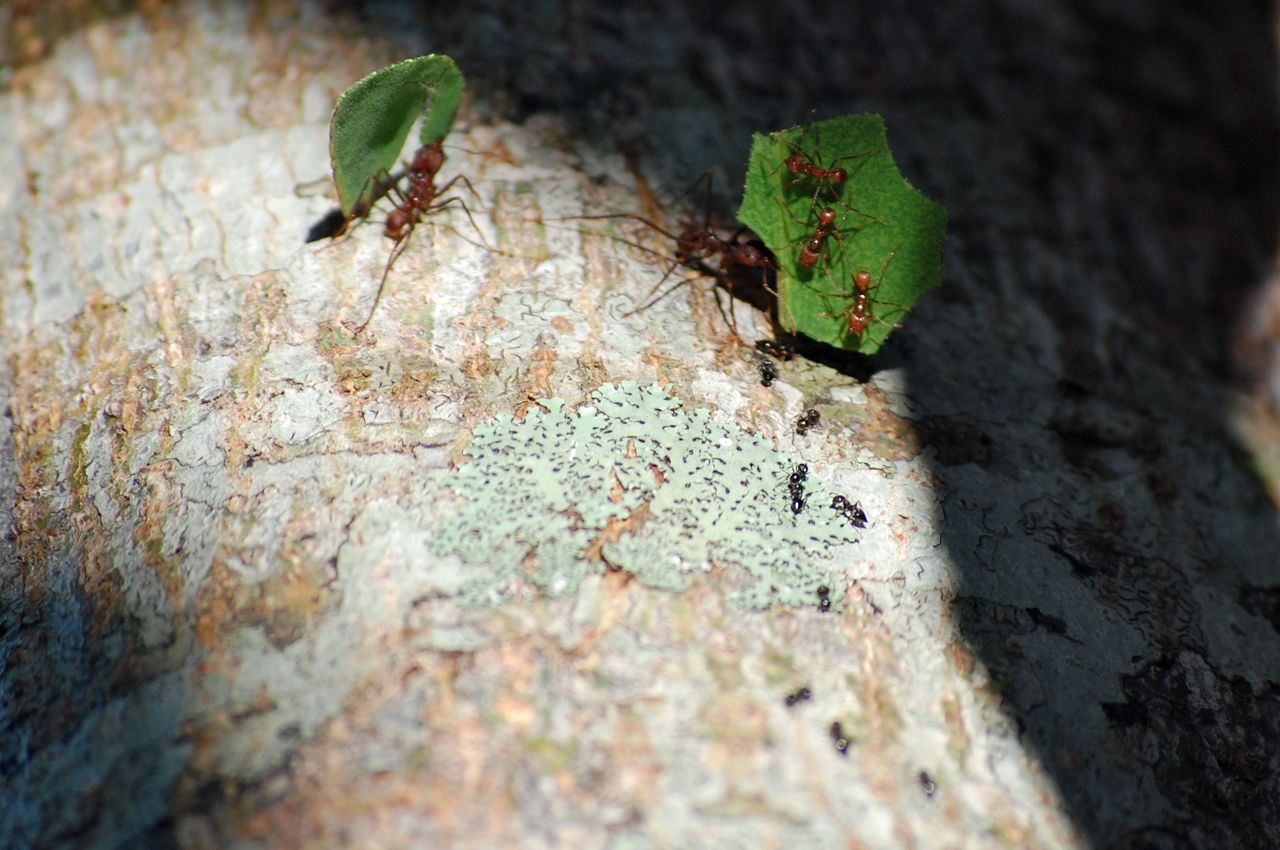
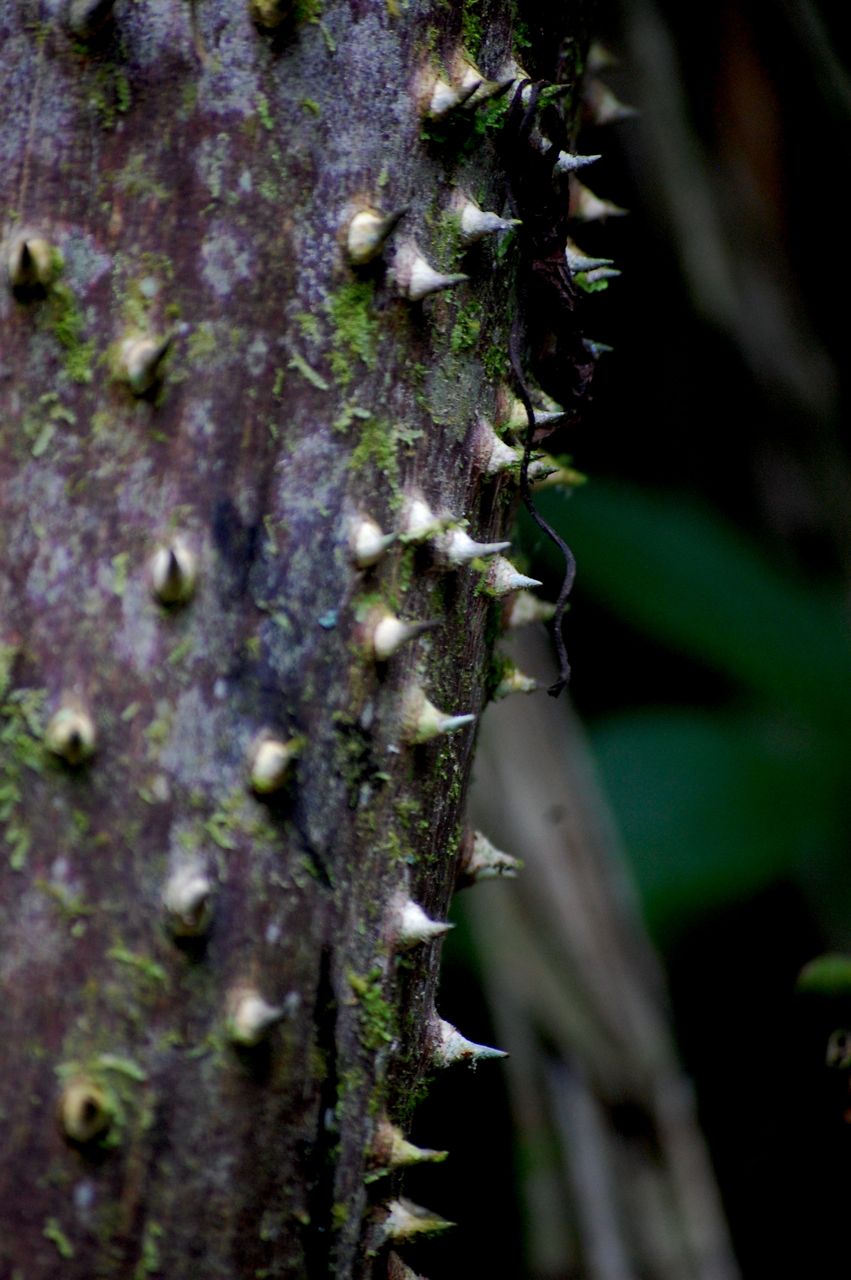
Speaking from my personal experience, I can tell you that after a few days on an African safari I would feel like doing something else, but in the Amazon Jungle I could stay, without getting bored, for a month, or even longer. There is just so much to do and so much to see! A small testimony to that can be the photos of a few interesting animals and plants that I posted below.


Saturday, November 26, 2011

Help! I’m Going to the Amazon Jungle – What Can I Expect?

So you are about to sign up (or maybe you already did) for a trip to the Amazon Jungle in Peru, and you start to wonder what you can expect during your trip. (This post is addressed to people who plan to go on an organized trip to the Amazon Jungle. If you plan to go there on your own, well, my deepest respect and best wishes to you.)

What will you eat there? Where are you going to sleep? Will there be electricity? Air-conditioning? How about Internet? Mobile phone reception?
What kind of dangerous animals live in the Jungle? What will happen if you get sick? Will you have an easy access to a doctor or emergency services?

So many doubts and questions!

Let me address these points one by one.

1. Food: Let’s start with the good news: You won’t have to hunt for your food. You won’t even have to worry about buying it. Your travel agency will provide you with everything you might need, and will even accommodate for whatever food allergies and/or food preferences you might have. I guarantee that you’ll love the food—the Peruvians know how to cook and do it very well.
The only thing that I would recommend taking with you is a sizeable bottle of water (or a camelback). A couple of times a day you’ll be offered purified (boiled) water, which you can then transfer to your personal water system. Most of the travel agencies will also offer you a selection of soft drinks, but you don’t want to drink that. Well, maybe with the exception of Inca Cola, which you should try at least once while in Peru.

A birthday cake baked without an oven!


2. Accommodation: The lodges within the park can be best described as “rustic.” They are built from wood, have minimal to no decorations, and only basic furniture. Most rooms I saw had only a wooden-frame bed, a wall hanger, and, occasionally, a chair, and/or a small table. In fact, this is as much as you need, as you’ll almost exclusively use your room for sleeping and storing your stuff. Your day will be filled with so many activities that you won’t have time to hang around in your room. And, if you happen to have a bit of free time, I’m sure you’d prefer to spend it in the fresh air–either hanging out at the nearby beach, or in a hammock, relaxing and/or reading a book.


Most of the lodges I saw had an “open design.” What I mean by that is that any animals are welcome to come and visit you during the day and/or night, as the walls of the rooms don’t reach the ceiling. I guess the reason behind that is to enable better air circulation in the rooms. It’s also one of the reasons why all the beds have mosquito nets to protect you from those most unwanted visitors. It’s your responsibility, however, to neatly wrap the net around your bed. If you don’t, you’ll be food for many.
The lodges come with showers heated only by the sun. So if a warm shower is important to your well-being, your best bet is to hit the showers in the late afternoon or early evening.


Alte Madre de Dios:


3. Electricity: Even though we saw some electric lines in the jungle, in most places electricity is provided solely by generators. That means that even in the most luxurious lodges, you should not expect electricity during the night. (You wouldn’t want the generators to interrupt your sleep, would you?). In the majority of places, the generators would be on only for around two to three hours a day: one hour in the morning, and two hours in the evening. That means no light, no laptop/iPad/camera/mobile phone/iPod charging outside those few hours. It also means no air-conditioning. But that should not be a problem: as I mentioned above, most lodges have an open design that allows for easy air circulation.

4. Internet and mobile phone reception: To the best of my knowledge none of the lodges within Manu NP offers Internet access. However, in one of the small villages located on the outskirts of Manu NP, there was a sign proudly announcing an Internet cafĂ©. Be aware, however, that it will take you several hours to get there from your lodge—traveling in the Jungle is slow!
There was absolutely no mobile phone reception in the jungle, except for this one village that had the Internet sign as well. In that village, the reception was good enough to receive and send text messages, but was not good enough to hold a phone conversation. So if being connected with the outside world is important to you, bring a satellite phone. Those still work everywhere.

5. Medical facilities: The last (semi-)proper medical facilities that we saw were in Paucartambo, some four to six hours away by road from the lodges of Manu NP. That means that you should think twice before you set out on a trip there while seriously sick. It also means that, in case of medical emergency, you’ll have to count on the resourcefulness of your guide and your co-travelers.

6. Dangers: There are some potentially dangerous animals in the jungle (the anaconda, jaguar, piranha, poison frog--to name a few) but, luckily, they have better things to do than attacking tourists. It might surprise you but, likely, the most dangerous animal you’ll meet—and definitely the most annoying—will be the mosquito. Mosquitos in the Amazon Jungle are ubiquitous, fearless, and laugh into the face of all insect repellents. Your best protection from them will be wearing long sleeves and sleeping under neatly secured mosquito net. More than any of the animals, you should be aware of reckless drivers, and pretty bad road conditions. During the rainy season, getting stuck in the middle of a jungle can also be an issue. So I would not plan a flight back home, or an important meeting, for the day immediately following your scheduled return from the Jungle. But other than that, I’m sure you’ll have lots of fun and I’m jealous that I cannot go there instead of you!